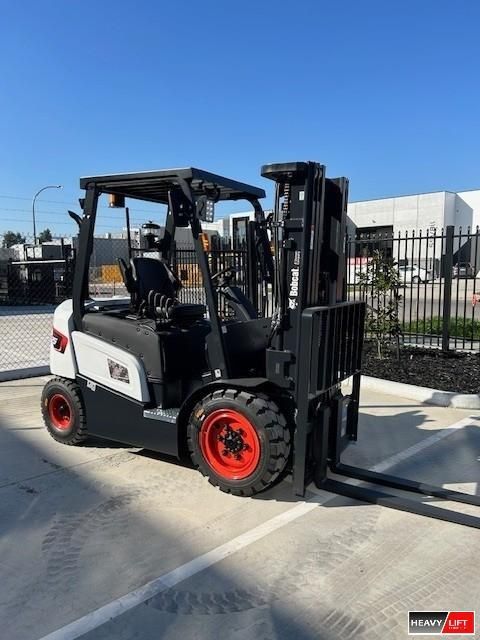
When it comes to getting the job done efficiently, having the right equipment is non-negotiable. Whether you’re working in construction, landscaping, agriculture, or another industry that relies on heavy machinery, the big question always arises: should you hire equipment or invest in buying your own?
Both options come with advantages and drawbacks, and the decision ultimately depends on your specific needs, budget, and long-term plans. Before committing, it’s important to weigh the costs, convenience, and flexibility of each choice.
The Benefits of Hiring Equipment
Hiring equipment can be a game-changer for businesses that need access to high-quality machinery without the financial commitment of ownership. Let’s say you’re looking for one of the popular Bobcat machines. You’ve searched online and you see there’s both bobcat for hire and sale options available to you, so which option do you choose? Here’s why hiring might be the smarter option:
1. Lower Upfront Costs
Hiring allows you to access machinery without a hefty initial investment. This is especially beneficial for small businesses or contractors who don’t have the capital to buy expensive equipment outright.
2. No Maintenance or Repairs
One of the biggest headaches of owning equipment is maintenance. When you hire, the rental company is responsible for servicing, repairs, and ensuring the machine is in top working condition. This saves both time and money.
3. Access to the Latest Models
Technology in heavy machinery is constantly evolving. By hiring, you can access newer models with improved efficiency, safety features, and fuel economy without having to replace outdated equipment.
4. Flexibility for Different Projects
Different jobs require different equipment. Hiring gives you the freedom to select the right machine for each project rather than trying to make one piece of equipment work for every situation. For example, you might need a compact loader one month and an excavator the next.
5. No Storage Worries
Large equipment requires proper storage to protect it from the elements and theft. If you hire, the rental company takes care of that, freeing up space at your worksite.
6. Tax Benefits
Hiring expenses are typically tax-deductible, making it an attractive option for businesses looking to manage cash flow efficiently. Always check with your accountant to understand how hiring affects your tax obligations.
When Buying Equipment is the Better Choice
While hiring is great for short-term needs, owning your own equipment can be a better long-term investment in certain cases.
1. Cost-Effective for Frequent Use
If you find yourself hiring the same machine repeatedly, purchasing might be the smarter financial move. Over time, the cost of renting can add up, making ownership the more affordable option.
2. Always Available When You Need It
Owning your own equipment means no waiting for availability or dealing with rental delays. This is crucial if you have ongoing projects that require quick turnaround times.
3. Full Control Over the Machine
When you own your equipment, you decide how it’s used, maintained, and modified. You can customise it with attachments, train staff to use it properly, and ensure it’s always ready for work.
4. Long-Term Investment Value
Unlike hiring, purchasing equipment allows you to build equity. If well-maintained, machinery retains value and can be resold when it’s time for an upgrade.
5. Tax Depreciation Benefits
Owning equipment allows businesses to claim depreciation over time, providing tax benefits that can offset the cost of purchase. Again, professional financial advice is key to maximising these advantages.
Key Factors to Consider Before Deciding
Choosing whether to hire or buy equipment isn’t always a straightforward decision. Several factors come into play, from how often you’ll use the machinery to the financial implications of each option. Taking a closer look at these considerations can help you determine the best approach for your business.
How Often Will You Use the Equipment?
One of the most important factors to think about is how frequently the equipment will be used. If it’s something that plays a vital role in daily operations, purchasing may be the smarter investment. Owning your own equipment means it’s always available when you need it, eliminating delays caused by rental availability.
However, if the equipment is only required for specific projects or seasonal work, hiring is often the better option. There’s no point in making a significant purchase only for the machine to sit idle for long periods. Hiring allows businesses to access high-quality machinery when it’s needed without the burden of ownership when it’s not.
Does It Fit Within Your Budget?
The financial side of the decision is another major consideration. Purchasing equipment requires a large upfront investment, which may not be feasible for every business. Even if the funds are available, tying up capital in equipment may not be the best move if that money could be better used elsewhere.
Hiring, on the other hand, offers a more manageable way to access equipment without a huge financial commitment. Rental costs are predictable, allowing for easier budgeting, and there’s no need to worry about depreciation, maintenance, or resale value. For businesses looking to maintain cash flow, hiring can provide flexibility without the risks associated with ownership.
Do You Need Different Equipment for Different Projects?
For businesses that take on a variety of projects, hiring provides the flexibility to access different types of equipment as needed. Instead of being limited to one machine, renting allows companies to switch between models and attachments to suit specific job requirements.
On the other hand, if the same type of equipment is used repeatedly, buying could be a more practical and cost-effective solution. A business that consistently relies on one type of machine may find that purchasing eliminates ongoing rental costs and pays for itself in the long run.
Is a Hybrid Approach Right for Your Business?
For many businesses, a combination of hiring and buying offers the best of both worlds. Owning essential equipment that is used frequently while hiring specialised machinery when needed provides flexibility while keeping costs under control.
For example, a construction company that regularly uses an excavator might find it worthwhile to buy one, ensuring it’s always available. However, for occasional projects that require additional attachments or specialised equipment, hiring remains a practical and cost-effective solution.
Similarly, businesses that experience seasonal fluctuations may find that owning core equipment while hiring extra machinery during peak times allows them to scale operations without unnecessary long-term expenses.
Making the Right Choice for Your Business
Deciding whether to hire or buy equipment ultimately depends on your business needs, budget, and long-term strategy. If flexibility, lower upfront costs, and avoiding maintenance are priorities, hiring is often the better choice. But if regular use, availability, and long-term investment are more important, buying may be the way to go.