
Image Source: shutterstock.com
Winter hits, and suddenly your cozy home feels like a personal sauna—or maybe more like a freezing icebox with a giant price tag attached to it.
As the snow piles up and the wind howls outside, energy bills can spike in ways that make your wallet shiver more than you do under a fuzzy blanket. Some of the reasons are obvious—like cranking up the thermostat—but many are sneaky, habitual behaviors that quietly drain your bank account.
From subtle routines to common misconceptions about staying warm, these cold-weather habits could be inflating your bills without you even realizing it.
1. Cranking The Thermostat Too High
Setting your thermostat to “arctic comfort” might feel like survival, but it’s the fastest route to sky-high energy bills. Every degree above 68°F can increase your heating costs by about 3–5%, which adds up quickly when winter lasts for months. Many people think blasting the heat constantly is better than layering up, but in reality, the heat just escapes, leaving you with a higher bill and the same shivering sensation. Smart strategies, like programmable thermostats or zoning your heating system, keep warmth in only where you need it. Learning to tolerate a slightly cooler environment with a cozy sweater can make a dramatic difference in your bills.
2. Ignoring Drafts And Poor Insulation
Cold air sneaking in through cracks and gaps is like printing money for your energy company. Windows, doors, and even poorly insulated attics or basements can let chilly drafts undo all your thermostat’s hard work. Many homeowners don’t realize that simple fixes like weather stripping, caulking, or adding thermal curtains can drastically reduce heat loss. Even small leaks can add up to hundreds of dollars over a season, turning minor annoyances into major financial drains. A little upfront effort in sealing these weak points pays off all winter long with warmer rooms and lower bills.
3. Overusing Space Heaters
Space heaters can feel like magical winter companions, but when misused, they’re like tiny, expensive dragons burning money instead of firewood. People often rely on them for long hours or leave them on overnight, dramatically increasing electricity consumption.
Unlike central heating, which is designed for efficiency, most portable units use a lot of energy relative to the area they warm. Safety aside, continuous use without strategic placement can make your bills spike without improving overall comfort. Using them sparingly and only in well-contained spaces ensures you stay cozy without giving your utility company a bonus.
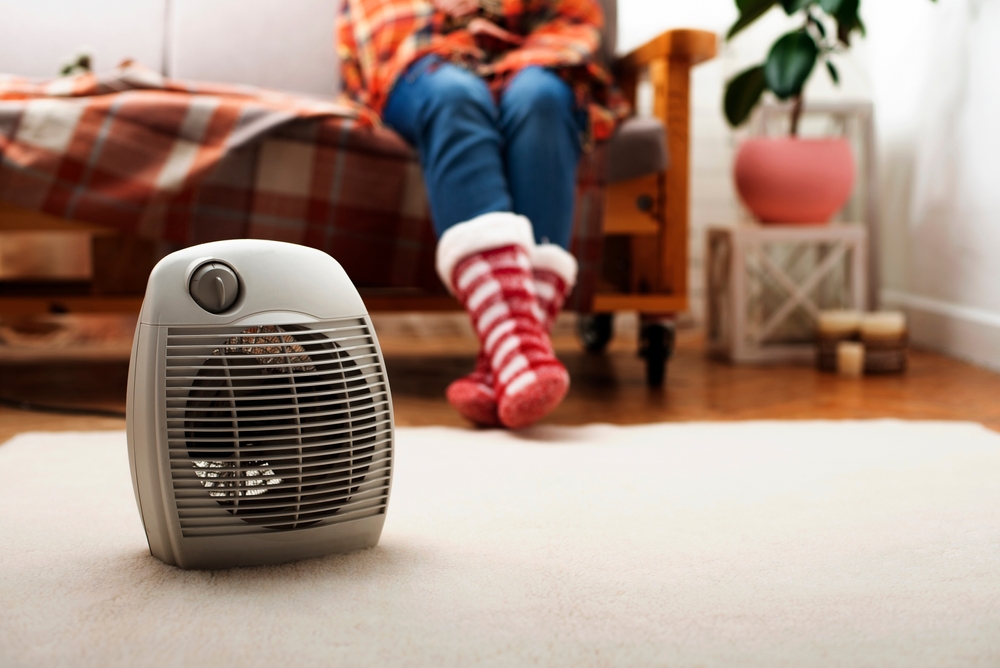
Image Source: shutterstock.com
4. Running Hot Water Excessively
Long, steamy showers and constant hot-water laundry feel indulgent when temperatures dip, but they can quietly inflate your bills. Water heating is one of the most energy-intensive tasks in any household, and running water at high temperatures for extended periods multiplies that effect. Many people don’t consider that small adjustments—like shorter showers, lower water temperatures, or efficient washing machine settings—can save big over a season. Tankless or on-demand water heaters help, but the biggest difference often comes from behavior changes. Think of it as trading a few minutes of comfort for several dollars of savings each month.
5. Leaving Electronics And Lights On
Winter nights are long, and it’s tempting to leave lights blazing or devices plugged in for warmth, mood, or convenience. Unfortunately, this habit can quietly pad your monthly bills without you noticing. Even devices in standby mode consume “phantom” energy, which accumulates over time. Simple actions, like unplugging chargers, using smart power strips, or switching to LED bulbs, reduce energy leakage dramatically. Being mindful of your electronics not only saves money but also reduces environmental impact—so your winter glow comes with less guilt.
6. Failing To Maintain Heating Systems
A neglected furnace or boiler is like an athlete running without training—it works, but inefficiently. Dirty filters, clogged vents, or ignored maintenance can cause systems to use far more energy to heat the same space. Many people only think about maintenance when something breaks, but routine check-ups keep your system running at peak efficiency.
Even a small cleaning or part replacement can prevent bills from ballooning in the coldest months. Regular attention keeps your home warm, your system healthy, and your bank account far less stressed.
Warm Homes, Cooler Bills
Winter comfort doesn’t have to mean sky-high bills. By adjusting thermostat habits, sealing drafts, using space heaters and water efficiently, managing electronics, and maintaining heating systems, you can enjoy the season without constant financial frostbite. Everyone has their own tricks for staying cozy, and your insights might help someone else save money this year.
Drop your thoughts, tips, or winter battle stories in the comments section below.
You May Also Like…
Emotional Spending: Do You Know Why Cold Weather Makes You Reach for Your Wallet More Often?
How Does The Weather Affect Your Emotional State Without You Realizing?
Chaotic Weather: Here’s Why Scientist Believe the Weather Is So Chaotic
3 Tips for Protecting Your Australian Beach House From Extreme Weather
10 December Bills That Sneak Up on Even the Most Careful Budgeters

Leave a Reply